Many people suffer from sudden panic attacks that come without warning and cause intense anxiety...
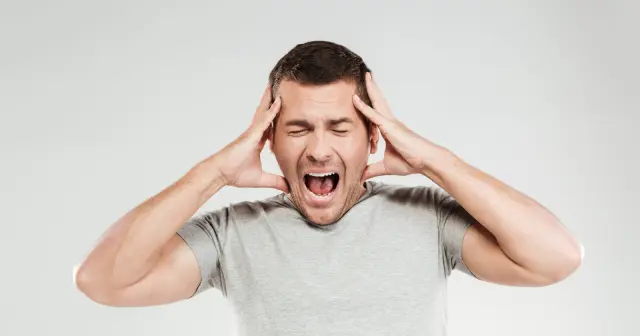
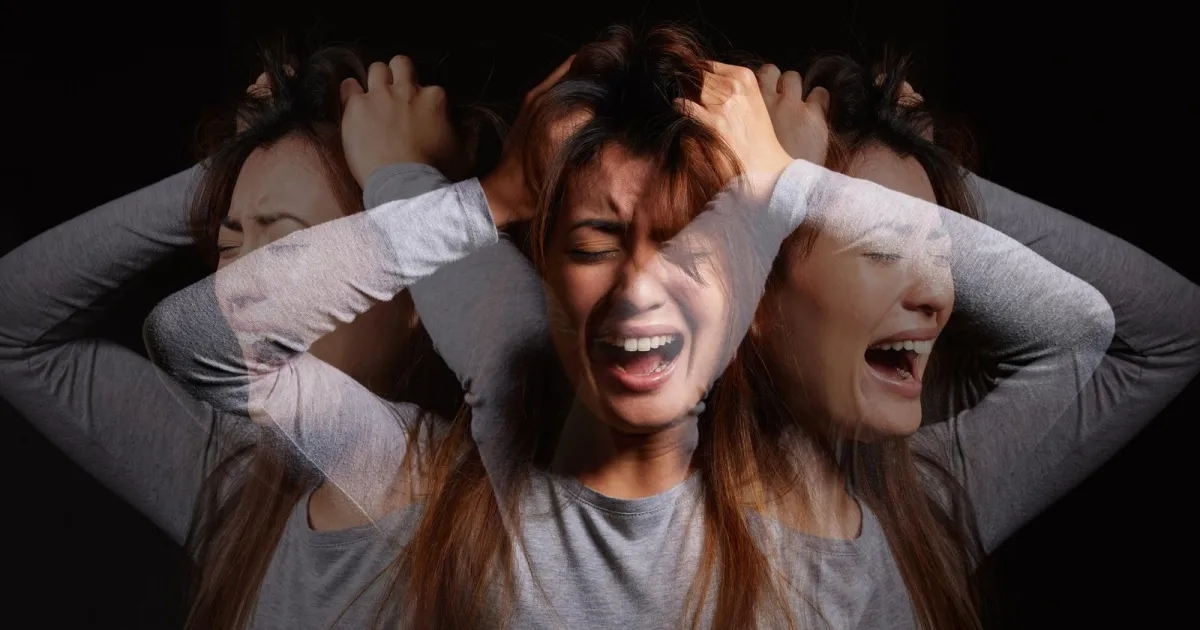
Have you ever felt your heart racing, your chest tightening, and that you were losing control completely? That is a panic attack. It comes suddenly, without warning, and makes you feel that something bad is about to happen, even when there is no real danger.
The good news? Panic attacks are not dangerous, and they can be managed! In this article, we explain what panic attacks are, why they happen, how they feel, and how you can stop them and overcome them.
There is no single cause of panic attacks, but several factors may contribute to them:
What Is a Panic Attack?
A panic attack is a sudden state of intense fear and anxiety, accompanied by physical symptoms such as heart palpitations, sweating, dizziness, and difficulty breathing. It usually lasts between 5 and 20 minutes, but the fear of having another attack can last much longer. 💡 Think of it as your brain pressing the "emergency button" for no real reason!Symptoms of Panic Attacks
When you know the symptoms, it becomes easier to recognize a panic attack and deal with it.✅ Physical symptoms:
- A racing or pounding heart
- Excessive sweating
- Feeling dizzy or faint
- Trembling or shaking
- Shortness of breath or a feeling of choking
- Chest pain or tightness (which may resemble a heart attack)
✅ Psychological and emotional symptoms:
- A feeling of losing control
- A sense that something terrible is about to happen
- Feeling detached from reality or from your surroundings
- A sudden fear of dying (even when there is no danger)
 What Causes Panic Attacks?
There is no single cause of panic attacks, but several factors may contribute to them:
🔹 Nervous pressure and stress: Exposure to difficult situations or constant worry may lead to panic attacks. 🔹 Genetic factors: If a family member has them, you may have a higher likelihood of experiencing them. 🔹 Brain chemistry imbalances: A low level of serotonin (the "happiness hormone") may increase anxiety. 🔹 Excessive negative thinking: Extreme worry about the future or imagining worst-case scenarios may be a trigger. 🔹 Caffeine and stimulants: Drinking a lot of coffee or taking certain stimulant medications may increase the likelihood of attacks.
How Do Panic Attacks Affect the Body?
Although a panic attack is not dangerous, its recurrence can affect your physical and mental health. 🔹 Heart and circulatory system:- A racing heartbeat may lead to strain on the heart over the long term.
- People with chronic anxiety have a higher likelihood of developing high blood pressure.
- The brain stays in alarm mode for long periods, which raises levels of the stress hormone (cortisol).
- This may lead to insomnia, mood swings, and difficulty concentrating.
- Excessive anxiety can cause stomach problems such as nausea, diarrhea, or irritable bowel syndrome (IBS).
- Rapid breathing (hyperventilation) during a panic attack can cause dizziness, numbness in the limbs, or a feeling of faintness.
How Are Panic Attacks Diagnosed?
If you experience panic attacks frequently, it is best to visit a psychiatrist or mental health professional. Diagnosis relies on:- Asking questions about symptoms and medical history
- Ruling out physical causes such as heart or thyroid problems
- Relying on medical criteria such as the DSM-5 to diagnose panic disorder
How Are Panic Attacks Treated?
Treatment of panic attacks depends on the severity of the condition, and there are many effective options, including:1- Psychological and Behavioral Therapy
✅ Cognitive Behavioral Therapy (CBT)- Helps you change the way you think and react to panic attacks.
- Teaches you how to manage symptoms instead of fearing them.
- Has you face the fears associated with panic attacks gradually until they affect you less.
How Do You Handle a Panic Attack in the Moment?
If you feel a panic attack coming, try these ways to calm yourself: ✔️ Deep breathing: Inhale slowly for 4 seconds, hold it, then exhale slowly. ✔️ Remind yourself that it is just a panic attack and it will pass. ✔️ Use the grounding technique (5-4-3-2-1) to redirect your attention. ✔️ Move or change your position – walking or stretching your body may help you calm down.How Can You Prevent Panic Attacks in the Future?
🔹 Exercise regularly 🔹 Reduce caffeine and sugar 🔹 Follow a healthy sleep pattern 🔹 Practice meditation or yoga 🔹 Seek psychological support when neededWhen Should You See a Doctor?
If you experience recurrent panic attacks that affect your daily life, it is best to consult a psychiatrist. Early treatment can help you reduce symptoms and manage anxiety better. Do not hesitate to ask for help! Your mental health is no less important than your physical health.Conclusion
Panic attacks can be frightening, but they are not dangerous and are treatable. Knowing their causes, understanding their effect on the body, and using the right coping techniques can help you manage them better.🚀 If you need a consultation, do not hesitate to contact us!
📍 Book your consultation now with leading specialists in Kuwait!
📞 Call us: 66197772 – 69031574
🌍 Click here to book
Note: This content is for awareness and education only, and does not replace diagnosis or treatment by a licensed physician or psychologist. If symptoms are severe or persistent, seek specialized help promptly.