

What Is Anxiety?
Anxiety is a psychological state marked by an inner feeling of tension or fear, and it may be accompanied by physical symptoms such as a racing heart, shortness of breath, or sweating. It is normal to feel anxious in certain situations, such as exams or interviews, but when anxiety becomes persistent and excessive and negatively affects daily activities, it becomes a psychological disorder that requires specialized intervention. Anxiety is not a weakness of character. It is a common disorder that can be treated effectively with the right diagnosis and appropriate support.Symptoms of Anxiety
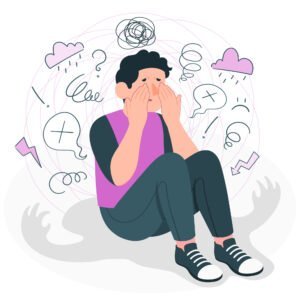
Anxiety symptoms are both psychological and physical, and their severity varies from person to person. The most prominent include:Psychological symptoms:
- A constant feeling of fear or anticipation
- Difficulty concentrating
- Racing thoughts that are hard to switch off
- Expecting the worst even without clear justification
- Easily becoming irritable and reactive
Physical symptoms:
- Increased heart rate
- Muscle tension
- Difficulty breathing
- Stomach or bowel disturbances
- Insomnia and sleep disturbances
- Feeling exhausted for no clear reason
Types of Anxiety
Anxiety disorders are divided into several main types, each with its own characteristics and treatment approaches:- Generalized Anxiety Disorder (GAD): Excessive and persistent worry about various aspects of daily life, such as health, work, or relationships, without a clear reason.
- Panic Disorder: Sudden attacks of intense fear, which may resemble the symptoms of a heart attack (racing heart, shortness of breath, sweating, dizziness).
- Specific Phobia: An irrational fear of a particular thing or situation, such as heights, flying, or animals.
- Social Anxiety Disorder: An exaggerated fear of speaking or dealing with others, stemming from the fear of embarrassment or criticism.
- Post-Traumatic Stress Disorder (PTSD): Results from exposure to a traumatic event such as an accident, an assault, or a sudden loss, and is accompanied by nightmares, painful memories, and avoidance of similar situations.
- Obsessive-Compulsive Disorder (OCD): Repeated, compulsive thoughts that drive the person to carry out repetitive behaviors to reduce the anxiety they cause.
Causes of Anxiety
No single cause is responsible for an anxiety disorder. It results from the interaction of several factors:- Heredity: A family history of anxiety or other psychological disorders.
- Biological factors: Such as imbalances in neurotransmitters (serotonin, dopamine).
- Life experiences: Such as psychological trauma in childhood or the loss of a loved one.
- Ongoing pressures: Whether professional, family-related, or financial.
- Unhealthy habits: Such as excessive caffeine intake or lack of sleep.
- Chronic illness: Such as diabetes or heart disease, which can increase psychological anxiety.
Risk Factors
Some people are more likely to develop anxiety because of a set of risk factors, such as:- A family history of anxiety or depression
- Psychological trauma in childhood
- Lack of social support or stable relationships
- Overthinking and a personal tendency toward perfectionism
- Use of stimulants or medications without medical supervision
- Chronic sleep disorders
How Do You Know If You Suffer From Anxiety?
If you notice that anxiety accompanies you daily and affects your concentration, sleep, or interaction with others, that is a strong indicator. Here are some questions that may help you:- Do I often think negatively about the future?
- Do I feel my heart racing or have difficulty breathing without an organic cause?
- Do I avoid certain situations for fear of tension or embarrassment?
- Do I suffer from persistent insomnia or constant fatigue?
- Do people around me criticize me for my excessive worry or tension?
Characteristics of an Anxious Person
A person who suffers from anxiety often shows the following traits:- Overthinking and over-analyzing
- Being quickly affected by situations and triggers
- Difficulty making decisions
- Constantly seeking reassurance from others
- Excessive caution about the future
- Preoccupation with physical symptoms
Preventing Anxiety
Prevention is not impossible, and it can be achieved by following effective preventive strategies:- Regulating sleep: Good sleep supports mental health and eases tension.
- Exercising: Physical exercise releases feel-good hormones such as endorphins.
- Reducing caffeine: Especially during stressful periods or before bed.
- Practicing meditation and breathing exercises: They reduce the nervous system activity associated with anxiety.
- Social support: Talking with friends or family eases the intensity of anxiety.
- Seeking a specialist when needed: Early intervention makes a big difference in controlling symptoms.
Complications of Anxiety
Leaving an anxiety disorder untreated may lead to serious complications, including:- Depression: Many people with anxiety later suffer from mood disorders.
- Social isolation: Due to avoiding interaction with others.
- Weak academic or professional performance: As a result of distraction and difficulty concentrating.
- Health problems: Such as high blood pressure, sleep disorders, and irritable bowel syndrome.
- Addiction: Some people turn to painkillers or alcohol to escape anxiety.
Treatment of Anxiety
Treatment of anxiety depends on an accurate diagnosis and the severity of the condition, and includes:1. Cognitive Behavioral Therapy (CBT)
This type of therapy focuses on modifying negative thoughts and changing behavioral reactions to anxiety-provoking situations. It is considered the most effective, especially for generalized anxiety and social anxiety disorder.2. Behavioral Therapy
It helps train the patient in techniques for gradually exposing themselves to anxiety-provoking situations and breaking the cycle of avoidance.3. Psychodynamic Therapy
It targets the emotional roots of anxiety, such as trauma or old psychological conflicts, and helps increase self-awareness and self-acceptance.4. Relaxation and Stress Management Techniques
- Deep breathing exercises
- Mindfulness meditation
- Progressive muscle relaxation
- Yoga and regular exercise
5. Group or Family Therapy
It provides a supportive environment, strengthens the sense of not being alone, and helps the family understand the patient's condition and respond to it appropriately.6. Lifestyle Modification
- Following a healthy diet
- Getting enough sleep
- Avoiding stimulants
- Avoiding daily stress as much as possible
- Balancing work and rest
What Does Anxiety Do in the Human Body?
When we feel anxious, the body releases stress hormones such as adrenaline and cortisol. This sets off a chain of reactions:- Racing heartbeat
- Elevated blood pressure
- Increased muscle tension
- Weakened immune system in the long term
- Digestive disturbances
When Should You See a Mental Health Specialist?
It is important to see a mental health specialist if:- Anxiety symptoms last for more than two weeks.
- Anxiety begins to affect your relationships or your performance at work or study.
- You experience physical symptoms without a clear medical explanation.
- You think about withdrawing from social situations or your daily duties.
- You can no longer control your thoughts or fear.
Note: This content is for awareness and education only and does not replace diagnosis or treatment by a licensed physician or mental health specialist. If symptoms are severe or persistent, seek specialized help promptly.