
What Are Suicidal Thoughts?
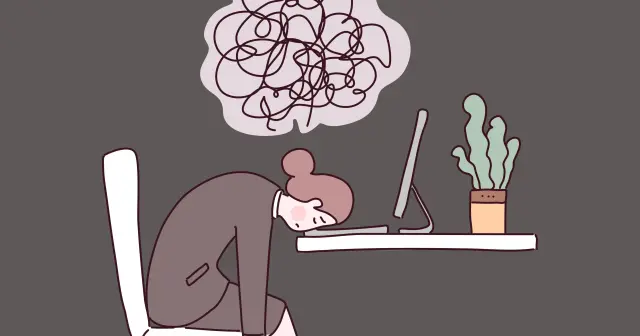
These are moments when a person feels a desire to end their life, not because they truly want to die, but because they are looking for a way out of severe psychological pain or unbearable inner suffering. These feelings do not appear suddenly; they result from an accumulation of exhausting experiences the person has been through. Suicidal thoughts are often a sign of an inner conflict or a sense of helplessness, and the person feels they see no possible solutions in what they are going through. It is important to understand that thinking about suicide is not linked only to psychological disorders; it can also result from losing a loved one, repeated failure, or social rejection. Understanding these backgrounds helps us support the person who is suffering rather than judge them.What Are the Warning Signs of Suicidal Thoughts?
Many people show indirect signs before attempting suicide. It is important to pay attention to these signs because they may save a life:- Frequent talk about death: whether direct or indirect, such as saying "I wish I had never been born"
- Sudden isolation: avoiding friends, family and gatherings, and spending long periods alone
- Noticeable changes in behavior: such as sleep disturbances, loss of appetite, or neglect of personal appearance.
- Neglecting appearance, studies or work.
- Acting as if saying goodbye to others: such as giving away personal belongings or writing unusual messages.
- Turning to drugs or alcohol as a way to escape feelings or to make a suicidal act easier
Psychological and Social Causes of Suicidal Thoughts
Suicidal thoughts do not appear out of nowhere; they are often the result of an accumulation of problems and intertwined causes, including:1. Mental Health Disorders
Disorders such as depression, anxiety disorder, post-traumatic stress disorder, or bipolar disorder place a person in a state of continuous inner pain that makes them feel helpless and hopeless. An affected person may find no other means of relief than thinking about ending their life.2. Life Pressures
Problems such as job loss, financial crises, emotional separation, or the death of someone close can be so stressful that a person loses their ability to cope, especially if they do not have a strong support system around them.3. Isolation and Social Disconnection
Feeling lonely, especially among older adults or teenagers, increases the risk of suicide. When a person feels invisible or unimportant, they begin to lose their connection to life.4. Social Stigma
In many societies, talking about psychological problems is considered "embarrassing" or a "weakness," which makes it hard for those in pain to ask for support. This stigma leads many to suffer in silence until they reach the edge of despair.Factors That Increase the Risk of Suicidal Thoughts
Not all cases are alike, but some factors, when present, may increase the likelihood of thinking about or attempting suicide:- The presence of previous suicide attempts.
- A family history of psychological problems or suicide.
- Exposure to childhood abuse (physical, emotional or sexual).
- Having chronic or painful illnesses that affect quality of life.
- Weak social skills or the absence of a support network.
- Exposure to bullying or ostracism, especially during adolescence.
- Easy availability of harmful means (such as medications, weapons or toxic substances).
Complications of Suicide Attempts
When a person thinks about suicide or attempts it, the consequences do not end with them; they extend to those around them:- Survivors of a suicide attempt may face permanent physical problems, such as organ damage or disability, as well as psychological problems such as shame, regret, or ongoing worry about how society views them.
- Friends and family suffer shock, loss, and sometimes guilt for not noticing the signs earlier.
- Society as a whole is affected through the loss of active members and increased pressure on the health and mental health systems.
Preventing Suicide: Where Do We Begin?
Suicide prevention begins with awareness, but it requires practical steps to build a supportive environment and provide tools that help people adapt rather than collapse. Among the most important means:1. Spreading Awareness
The more people know about the warning signs, and the more they feel that talking about their feelings is acceptable, the fewer suicide cases there will be.2. Strengthening Coping Skills
Teaching individuals how to manage stress, solve problems and deal with their feelings in a healthy way greatly reduces the likelihood of thoughts of self-harm.3. Supporting Social Relationships
Strong relationships with friends, family, or even counselors at support centers are an important line of defense against loneliness and despair.4. Restricting Access to Dangerous Means
Securing medications, getting rid of sharp objects, or reducing exposure to negative media are all practical steps that reduce risk.How Are These Cases Assessed and Handled?
If we suspect that someone is thinking about suicide, professional assessment is essential. It is usually carried out through:- A dialogue session in which the thoughts and feelings are explored and questions are asked directly and without judgment, giving the person a chance to express their feelings.
- Reviewing the personal and family history
- Using psychological assessment tools such as questionnaires and clinical interviews to determine the severity of the condition and its risk
- Developing an appropriate support plan that includes regular psychological sessions, sometimes medication, with continuous support from family or specialists