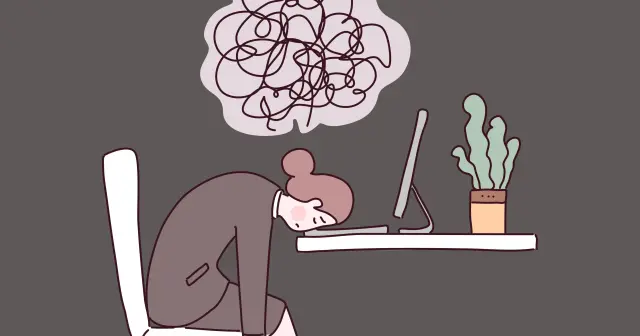

Many people suffer from pressures at work and in their personal lives that soon paralyze their abilities and make them captives of the negative results, so they fall victim to exhaustion and tension. If work is a necessity and cannot be done without, a person can still make his work a source of stability and energy, and a ladder to his desired ambitions, if he masters some of the advice recommended by specialist scholars.
It is part of human nature that a person finds himself captive to a certain habit he grew up with, or to a monotonous life, known as routine, which always causes mental pressure and makes him feel bored, depressed, and listless. The individual feels unable to move forward on the tasks he is supposed to perform, or those that are his way to achieving his dreams and goals in life.
Likewise, what hinders any administrative work from succeeding is administrative routine and the despair that results from it, which is a nightmare on the hearts of subordinates, because of human nature's longing for change, variety, progress, and development. Accordingly, it is necessary to reduce the amount of administrative routine and remove excess restrictions on work, or rather, not to slide into excessive bureaucracy, which can cause an organization to stumble in its forward progress and lead it to failure in the end.
Specialists have acknowledged that most pressures arise because of the responsible employee himself, and not because of your manager, or the large amount of work you must complete, or even your low salary, or the difficulty of your commute to and from work, or any other factors that you may blame, saying they are the cause of your tension and your feeling of pressure and nervousness.
Every job carries pressures in our lives, and this is natural, especially the pressures of work duties, like the various aspects around us that we deal with every day, indeed every moment. The problem is in viewing workplace pressures as always a worrying and undesirable matter.
Psychologists attribute the main reason for this to the person's inability to focus on one event or matter in his hands. He finds himself exposed to many pressures from different directions and cannot arrange his priorities in dealing with them. The result is that he cannot face those pressures decisively and positively. The first type meets his pressures with calm and confidence and is happy doing so, because he is sure of his ability to confront them. The second type finds the levels of pressure constantly rising on him, which makes matters harder.
We have set out our different possible reactions to life's pressures, especially at work. You need to identify which of these reactions is your way when you face pressure or a problem. Look at life's pressures differently: they are natural, not catastrophic. Change your reaction and your response to pressures so that they become positive reactions. Your life will not stop because of one pressure or problem, and every problem you meet in your life will seem, when you meet it, the hardest and most severe. So what do you want? To spend your life describing your problems and annoyances, standing still at them? Or to move forward to achieve your goals, hopes, and ambitions? Change the methods you are used to following when facing crises, and keep changing them.
Proceeding from your certainty that you are always capable, and fully confident that you can deal with them and face them, be among those who can arrange their priorities.
And arrange the priorities of the problems they face. Focus on what is in front of you and do not tire your mind with what is further off, for its turn will certainly come at the right time.