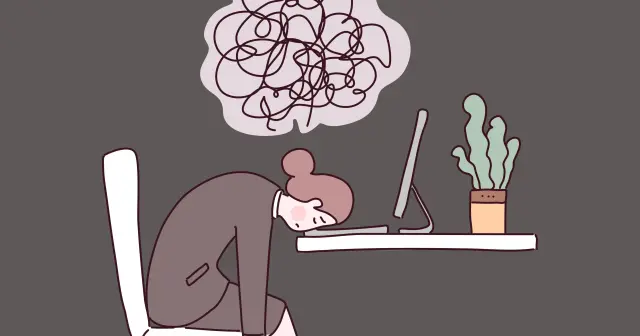

Many marital and romantic relationships go through repeated crises, which leads some people to ask: is separation the solution? Only someone who feels the weight and exhaustion asks this question: someone who has tried again and again to repair the relationship but found themselves in a cycle of tension and heartbreak.
But is every struggling relationship really doomed to end? Or are there real chances to save it? Let us start from the beginning.
Why Do We Think About Separation? Common Reasons Behind a Relationship's Decline
Separation rarely comes suddenly. It is usually the result of accumulated negative feelings or situations that were not resolved properly. Among the main reasons partners think about separating are:1. Lack of Real Communication
When the two partners lose the ability to speak honestly and calmly, problems pile up and intentions are misread. Each side starts assuming the worst about the other, and a gap forms that is hard to close.2. Unrealistic Expectations
Some people enter a relationship believing the other person will be "perfect," or that they must always make them happy. When reality sets in, disappointment begins to creep in.3. Emotional or Physical Neglect
Feeling invisible or unimportant to a partner can be more painful than open conflict. When attention disappears, the relationship begins to wither.4. Infidelity or Loss of Trust
This is one of the greatest challenges any relationship can face. Infidelity is not only physical; it can be emotional or even online, and it shakes the sense of safety.5. External Pressures
Such as financial problems, family interference or work pressure, which, if not managed with awareness, affect the relationship negatively.Can the Relationship Be Saved?
The answer to this question is not simple, and it cannot be reduced to "yes" or "no." Human relationships are complex by nature and are shaped by many factors. So whether a relationship can be saved depends on how willing each partner is to take responsibility and change, not only on how big the existing problems are. Some relationships pass through critical stages because of pressures or circumstances, yet remain repairable if both sides have a sincere intention. What matters is not the absence of problems but the ability to face them with wisdom and calm. Successful relationships are not free of disagreements; they are built on an intelligent way of handling disagreement. Having room for dialogue, and both partners being ready to listen and understand different points of view, is among the most important indicators that repair is possible. Likewise, when each partner truly wants to keep the relationship and works seriously to change negative behaviors, the chances of success are renewed.What Makes a Relationship Worth Saving?
Here is a deeper look at the factors that show a relationship is still worth the effort:1. Love Is Still Present, Even if Hidden Behind Anger or Coldness
Some may think love has disappeared simply because of constant tension, but in truth real love does not fade quickly. Sometimes it hides behind negative feelings such as anger or sadness. It may show itself in small details, such as worrying about the other person, being affected when a disagreement happens, or wanting things to go well. These are signs that the feelings are still there deep down and can be revived.2. The Ability to Admit Mistakes and the Wish to Learn From Them
In many struggling relationships, each side holds on to its position and always sees itself as right. But a mature relationship needs the courage to admit mistakes. Admitting a mistake is not weakness; it shows awareness and a desire to improve. When one partner says, "Yes, I was wrong, and I want to learn how to avoid this in the future," that is the first step toward repair.3. Accepting the Other Person Despite Their Flaws, Without Trying to Change Them Completely
It is unrealistic to expect the other person to be perfect. Everyone has weaknesses and behaviors we may not like, but a successful relationship is built on acceptance and understanding, not on forced change. When we focus on strengths and learn to live with minor flaws, the relationship becomes more flexible and secure.4. Commitment to Making Real Change in Daily Interaction
Words alone are not enough. Repair requires concrete actions: changing the way you speak, improving how you listen, controlling your reactions, and making small gestures that show appreciation. When the other person sees that you have really changed, they feel hope and the wish to change too. Shared change is the key to real transformation.When Is Separation the Better Choice?
In some cases, separation can be a mature decision rather than an escape. Some relationships become a source of chronic pain that does not heal, and that harms the mental health of both partners and even of the children, if there are any. Among the main signs that separation may be the better choice are:1. Repeated Psychological or Physical Harm
A relationship dominated by violence, whether verbal or physical, takes away the harmed partner's sense of safety and affects their self-respect.2. Complete Loss of Trust
If trust is breached repeatedly with no sincere sign of change, it is hard to build a healthy relationship.3. Staying Only for the Sake of the Children
Children need a healthy environment, not merely both parents under one roof. A toxic relationship harms them more than a calm separation.4. Total Neglect and Unwillingness to Repair
When one partner feels that the other does not care and does not want to work on improving the relationship, it becomes painful to continue in a one-sided relationship.Practical Steps to Save the Relationship Before Thinking About Separation
Before making a decisive choice, you can try practical steps that may help save the relationship if both partners are willing:1. Set Aside Time for Calm Dialogue
Find a time free of pressures, and begin an honest conversation without accusation. Focus on feelings rather than blame.2. Rebuild the Emotional Routine
Recalling happy memories, revisiting places you shared, and reviving simple daily rituals can renew intimacy.3. Admit Mistakes and Take Responsibility
Change begins when each partner acknowledges their role in complicating the relationship. No one is perfect, but someone who denies their mistakes cannot fix them.4. Learn Together
Reading books about relationships or attending dedicated workshops can open the door to deeper understanding between partners. [Also read: Emotional Intelligence in Relationships]5. Set a Clear Improvement Plan
Instead of relying on intentions alone, set a timeline and concrete steps for improving the relationship.Important Questions to Help You Make the Right Decision
In difficult emotional moments, a person may feel lost and scattered, and rational decisions become hard to make. These questions are not just mental exercises; they are practical tools that help you see the picture clearly and free you from haste:-
Is what I feel right now temporary anger or chronic pain?
-
Have we sincerely tried to save the relationship, or have we only confronted each other?
-
Do I miss the person, or do I just feel lonely?
-
What effect does this relationship have on my mental health?
-
How will I feel a year after making this decision?
-
If someone I love were in my place, what would I advise them?
Signs the Relationship Can Be Saved Despite the Problems
Even in the hardest moments of tension, there are signs that the relationship still has what it takes to survive. These signs do not mean things are easy, but they indicate a foundation that can be built upon:1. Despite Disagreements, There Is Mutual Respect
Disagreement is natural, but the way you handle it determines the health of the relationship. If arguments do not turn into insults or belittling of the other person, that is a good sign. Respect means there is mutual appreciation, and a healthy dialogue can be built on it.2. There Is Still Dialogue, Even if It Is Difficult
When conversation stops completely, reconnecting is hard. But if there are attempts, even emotional ones, it shows a desire to communicate. Dialogue, even when halting, remains a bridge that can be repaired.3. Both Partners Feel Pain at the Distance, Not Relief
When you feel pain because of a temporary separation or emotional distance, it reflects your attachment to the relationship. But if you feel relieved without the other person, it may be a sign that you have moved past the wish to continue.4. There Is a Genuine Apology and Real Attempts to Change
A sincere apology does not mean only saying "I'm sorry"; it is followed by new behavior that reflects the wish to make amends. If one partner begins to change a hurtful pattern of behavior, it is evidence that the relationship deserves a new chance.5. The Sense That the Other Person Still Cares
Care is not only in words; it is measured by actions: asking, supporting, worrying, wanting to improve the relationship. This care is the fuel of a relationship, and if it exists, it is a strong indicator that recovery is possible.Conclusion: The Decision Is in Your Hands, but Do Not Rush
Deciding whether to separate or continue is one of the hardest decisions anyone can face. It is not only about feelings, but also about values, circumstances and shared history.If you feel confused, there is nothing wrong with asking for guidance from a specialist who can help you understand what you are going through and discover the options that suit you. Click hereBefore making the final decision, ask yourself: is separation really the solution to what I am going through? Or do I need support and clarity to see things from a different angle?