Discovering Strength Through Challenges
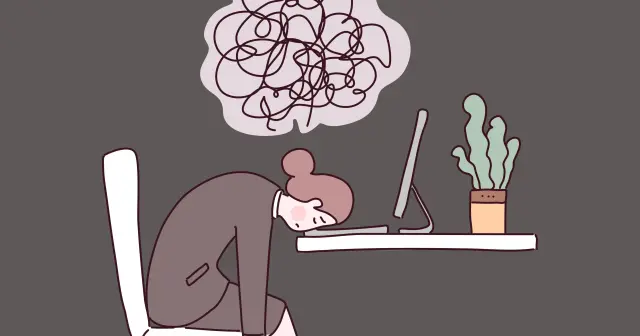
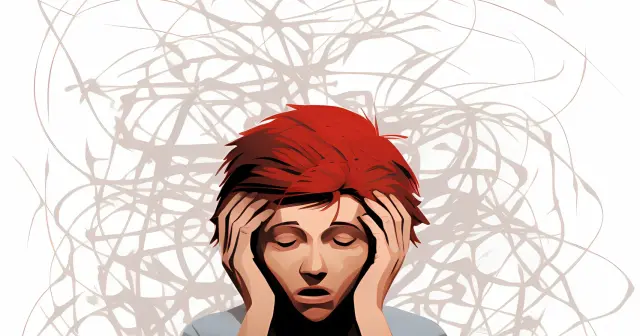
Psychological stress is not merely an unpleasant feeling; it is a powerful inner message from the mind and body that something in our lives needs attention, care and change. It is a natural human response to pressures and unexpected situations, in which the body releases hormones such as cortisol and adrenaline to help us face challenges. But when this stress becomes constant or goes untreated, it begins to drain our energy and affects the clarity of our thinking, the quality of our sleep and our relationships with others, leading to a decline in quality of life overall. Even so, every experience of stress holds an opportunity for personal growth and renewal, provided the right tools and support are available. At our center, we believe stress is not the end of the road but a starting point for change. With the right guidance and specialized care, you can move from a stage of struggle to a stage of growth, and from a sense of helplessnessCauses of Psychological Stress :
-
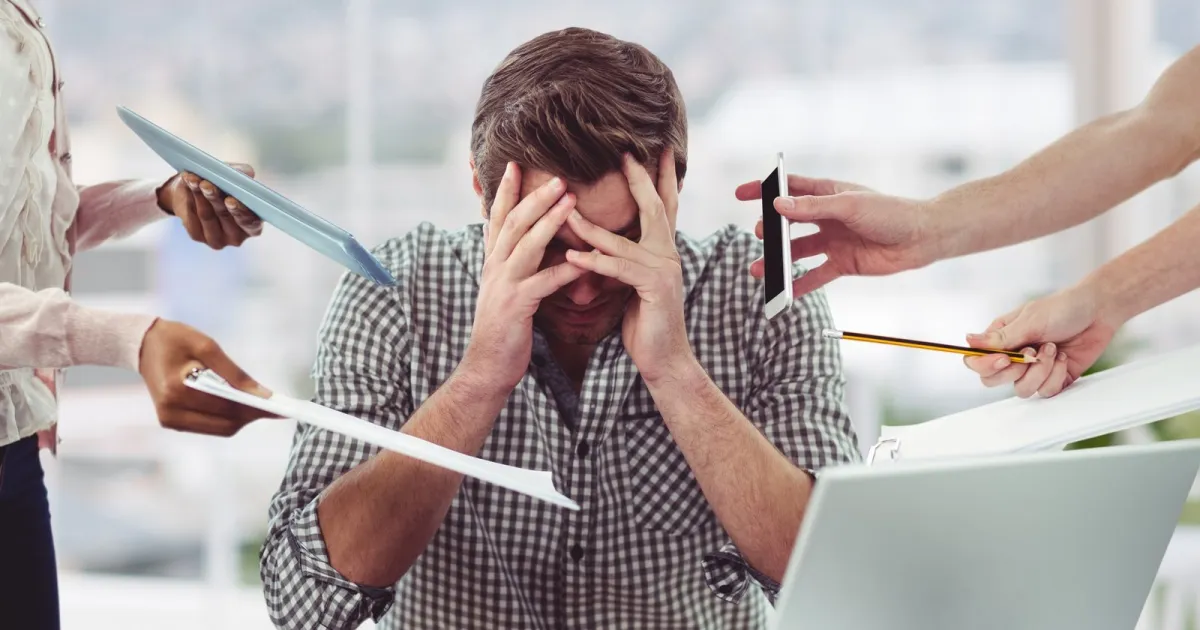
Work and Study Pressures
-
Family Problems and Personal Relationships
-
Financial Pressures
-
An Unhealthy Lifestyle
Symptoms of Psychological Stress
- Psychological and emotional symptoms
- Persistent anxiety or feeling on edge
- Sharp mood swings
- Difficulty concentrating or making decisions
- Loss of enthusiasm or interest in daily activities
- A tendency to isolate or withdraw socially
- Physical symptoms
- Recurring headaches or neck and back pain
- Digestive disturbances such as constipation or diarrhea
- Changes in appetite or weight
- Sleep disturbances, whether insomnia or excessive sleep
- Weakened immunity and greater susceptibility to illness

The Effect of Continuous Stress on the Body
When exposed to stress, the body releases emergency hormones that help it react quickly. But when this situation continues for long periods, these hormones affect the heart, the nervous system and immunity, leading to exhaustion, illness and a general decline in physical and mental health.Possible Complications of Chronic Stress:
Chronic Psychological Disorders
Untreated stress may lead to more serious disorders such as generalized anxiety, panic attacks or depression.Chronic Physical Illnesses
Continuous stress is linked to conditions such as high blood pressure, heart disease, obesity and digestive problems, and it may cause a decline in the body's vital functions.Deterioration of Relationships and Professional Performance
Stress affects the ability to interact socially, productivity and motivation, which increases the chance of making mistakes and weakens the quality of professional and family life.The Role of Our Center: Comprehensive Support for Your Psychological and Social Well-Being
At our center, we understand that stress is not just an unpleasant feeling but an experience that affects every aspect of your life, from your psychological state to your relationships and the way you think. We therefore offer integrated consultations supervised by experts in psychology, social relationships, and family and educational guidance, to help you break the cycle of tension and regain your inner balance.Our Services: Designed for Your Needs
Individual Psychological Support Sessions
Private, confidential sessions that help you to:- Understand the real causes of the stress you are experiencing
- Break the cycle of repetitive negative thinking
- Build skills for calm thinking and for dealing with tension
- Achieve gradual, lasting change, because you are not alone
- Educational and academic guidance
For you or your children who struggle with study pressure or poor concentration:
- Time management and organizing study
- Managing exam anxiety or high expectations
- Supporting parents in understanding their children and communicating calmly with them
- Family and social consultations
To improve the home atmosphere and social relationships:
- Developing effective communication skills
- Handling marital disagreements without escalation
- Getting past personal conflicts that cause constant tension
Supportive Activities to Relieve Psychological Stress
Alongside the sessions, we offer practical techniques you can use every day:- Deep breathing exercises and mindfulness meditation
- Techniques for calming the mind in moments of tension
- Expressive writing methods for safe emotional release
- Mental activities that help you return to the present
Daily Tips to Improve Your Lifestyle and Reduce Tension
- Adopt a healthy routine that includes regular sleep, balanced nutrition, physical activity and limiting caffeine
- Practice meditation or relaxation, or listen to calming music
- Set aside daily time for writing or expressing feelings
- Create an environment around you that encourages calm and positive support