Home / Articles / Self-development

Emotional Intelligence: How to Lead Yourself and Improve Your Impact

Dr. Naser Alfuraih ⏱ 11 min read Published 1 Jun 2026
Emotional Intelligence: How to Lead Yourself and Improve Your Impact
In life, knowledge alone is not enough to create success, and professional skills alone do not guarantee the quality of relationships or the soundness of decisions. There is a highly influential element present in every human interaction: emotional intelligence. It is not a theoretical concept or a decorative term, but a core skill that touches a person's awareness of themselves, the way they communicate, their ability to regulate their emotions, understand those around them, and handle situations with greater maturity and balance. From professional experience in training, psychological counselling and personal development, it becomes clear that many of the setbacks people face stem not so much from a lack of ability as from a weak understanding of their own emotional selves. A person may be highly competent, yet make a wrong decision under the influence of fear, lose an important relationship because of anger, or hold back their potential because of chronic anxiety they never learned to manage.

What Is Emotional Intelligence?

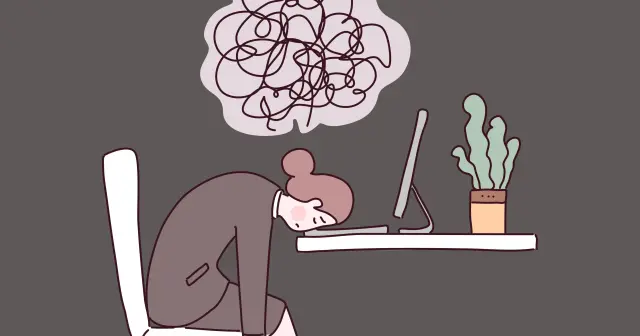
Emotional intelligence is a person's ability to recognise their feelings, understand their causes, and regulate them in a healthy way, along with the ability to read other people's feelings and respond to them with awareness and respect. It does not mean suppressing or denying emotions, nor surrendering to them and being led entirely by them. It means striking a balance between feeling and discipline, and between inner awareness and outward behaviour. Put more simply, emotional intelligence is knowing what is happening inside you before it shows up in your words, decisions and relationships.

How Do Emotions Affect Your Communication?

Emotions are not a marginal element of communication; they are an essential part of it. We do not communicate with words alone, but also with the emotional state that accompanies them, with tone, with non-verbal cues, with the way we listen, and with the ability to control our reactions during a conversation. When a person is angry, the effect shows in their tone of voice, the sharpness of their expression, and their readiness to defend or attack. When anxious, they may hesitate to speak, misread messages, or over-interpret situations. When they are at ease, they transmit that balance to the other party, making communication clearer, safer and more effective. For this reason, a large share of communication problems stems not from a weak idea but from poorly managed emotions while expressing it. How many correct words have been said in the wrong way and left a negative effect, and how many simple situations have been inflated by an unexamined emotion or a hasty reaction. Hence the importance of emotional intelligence in improving the quality of dialogue, reducing misunderstanding, and protecting relationships from the erosion caused by unregulated emotions.

What Happens in Your Life Because of Your Emotions?

Emotions affect life more than we think. They help shape decisions, direct behaviour, build relationships, and form the mental image a person holds of themselves and the world. Fear may lead someone to withdraw from an important opportunity, not because they are incapable, but because they cannot manage their anxiety. Anger may make someone lose a precious relationship or take a stand they later regret. Unprocessed sadness may lead to low motivation, poor achievement and withdrawal from people. Conversely, feelings of confidence, calm and balance give a person greater capacity to adapt, make decisions and create a positive impact in their surroundings. When emotions are understood and managed well, they become a source of maturity, energy and balance. When they are neglected or mishandled, they can become a cause of stress, setbacks and psychological exhaustion.

What Are the Types of Emotions, and How Do They Show Up in Your Life?

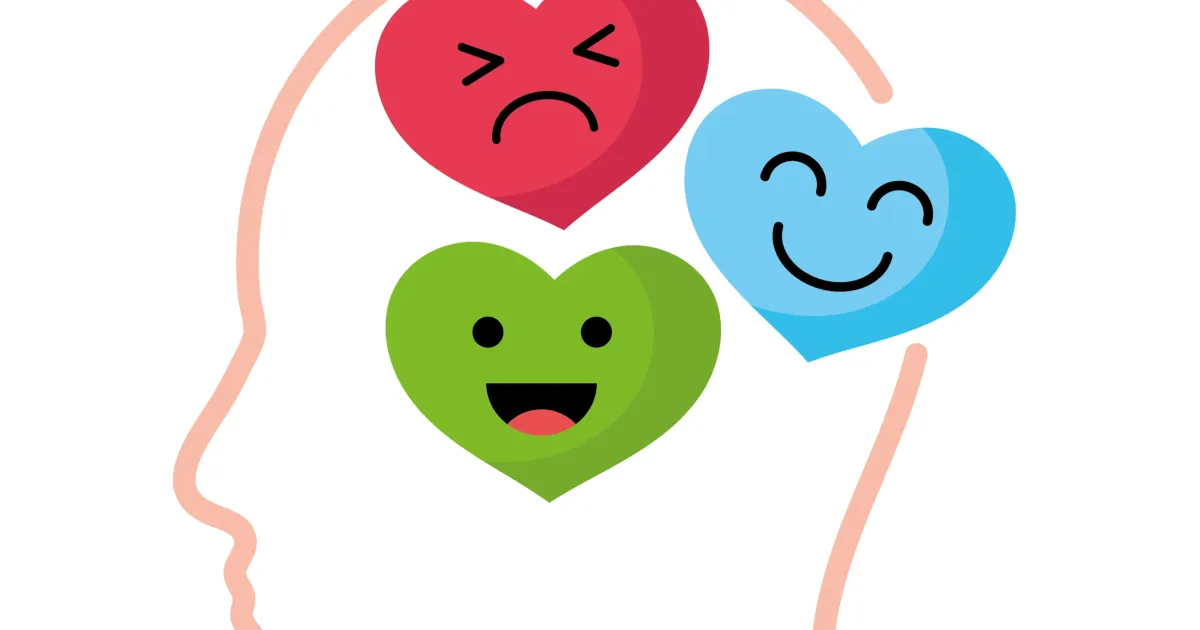
Human emotions are many, and each feeling has a psychological function and an inner message. Among the most prominent are: - Fear: alerts a person to danger or threat, but if it grows too large it hinders initiative and creates hesitation. - Anger: may signal a violated boundary or a sense of injustice, but becomes harmful if translated into impulsiveness or aggression. - Sadness: is linked to loss, disappointment or pain, and may be necessary at certain stages for adaptation and recovery. - Anxiety: can help with preparation, but if it persists it undermines psychological comfort and affects concentration, sleep and decision-making. - Joy: strengthens positive energy and encourages openness, achievement and healthy engagement with life. - Calm: reflects a state of inner balance and supports clarity of thought and the quality of dealing with pressure. - Shyness: may express social sensitivity or reserve, but if it exceeds its limit it prevents a person from expressing themselves. - Enthusiasm: motivates initiative and movement, but needs awareness so that it does not turn into reckless impulsiveness. It is important to stress that emotions in themselves are not a problem. The problem arises when a person fails to distinguish between them, confuses feeling with behaviour, or lets a feeling lead them without awareness or review.

Can You Control the Flood of Emotions?

Controlling emotions is possible, but not in the sense of preventing them from appearing, because that is neither realistic nor healthy. What is meant here is regulating the response, not eliminating the feeling. A person does not always choose what they feel in the first moment, but they can choose how to deal with that feeling. They can pause before replying, calm themselves before making a decision, postpone a confrontation until they regain their balance, and look for the real reason behind their reaction instead of discharging it in harmful behaviour. This ability to create space between feeling and reaction is the essence of emotional intelligence, and one of the clearest indicators of psychological maturity.

How Do We Learn to Direct and Influence Emotions?

Directing emotions begins with awareness of them, then understanding them, then dealing with them using practical tools. It does not mean manipulating emotion, but making constructive use of emotional energy.

Practical means that help with this include:

- Naming the feeling precisely: instead of settling for "I'm upset," it helps to ask yourself: am I angry? Anxious? Frustrated? Afraid? Hurt? - Understanding the real trigger: sometimes the cause of a reaction is not only the present situation, but earlier accumulations or unresolved pressures. - Pausing before responding: giving yourself a short pause guards against many mistakes and hasty reactions. - Paying attention to body signals: such as a racing pulse, shortness of breath and muscle tension, which are early indicators that emotion is escalating. - Reinterpreting the situation: not every negative situation means rejection, belittling or insult. - Building a healthy inner dialogue: because the way a person talks to themselves directly affects their psychological state. - Practising habits that support emotional stability: such as good sleep, movement, deep breathing, writing, meditation and gratitude. Positively influencing other people's feelings also requires core skills, such as good listening, appreciation, respect for their emotional privacy, careful choice of words, and offering support without rushing to judgement.

Practical Applications of Emotional Intelligence in Life

- In personal life: it helps with self-understanding, regulating reactions, reducing stress and improving the quality of psychological life. - In family relationships: it contributes to managing disagreements, strengthening dialogue and expressing needs in a healthy way. - In the professional environment: it supports the ability to bear pressure, communicate well, build trust and make more balanced decisions. - In leadership and influence: it makes a person better able to read people, contain situations and leave a positive and lasting impact. - In parenting and guidance: it helps in understanding the feelings of children, trainees or beneficiaries, and in dealing with them with wisdom, compassion and awareness.

Conclusion:

Emotional intelligence is not an intellectual luxury, nor a secondary skill that can be postponed, but one of the most important skills a person needs in this age. In a world of mounting pressures and growing challenges, awareness of emotions and the ability to manage them become a basic condition for a more balanced life, healthier relationships and more mature decisions. A person's strength is shown not in denying their feelings or hiding their weakness, but in their ability to understand themselves deeply, manage their reactions with awareness, and turn their inner world into a source of strength, balance and influence. And when a person learns to lead their emotions rather than be led by them, they not only improve their own life, but also their impact on everyone around them. By Dr. Naser Alfuraih Psychological consultant and personal development trainer

Book an introductory session

Start with one clear step

Whether you want to develop yourself, build your goals, or lead your project more effectively, the first step is an introductory session to define your needs and choose t…

Book an introductory session ← Book via WhatsApp