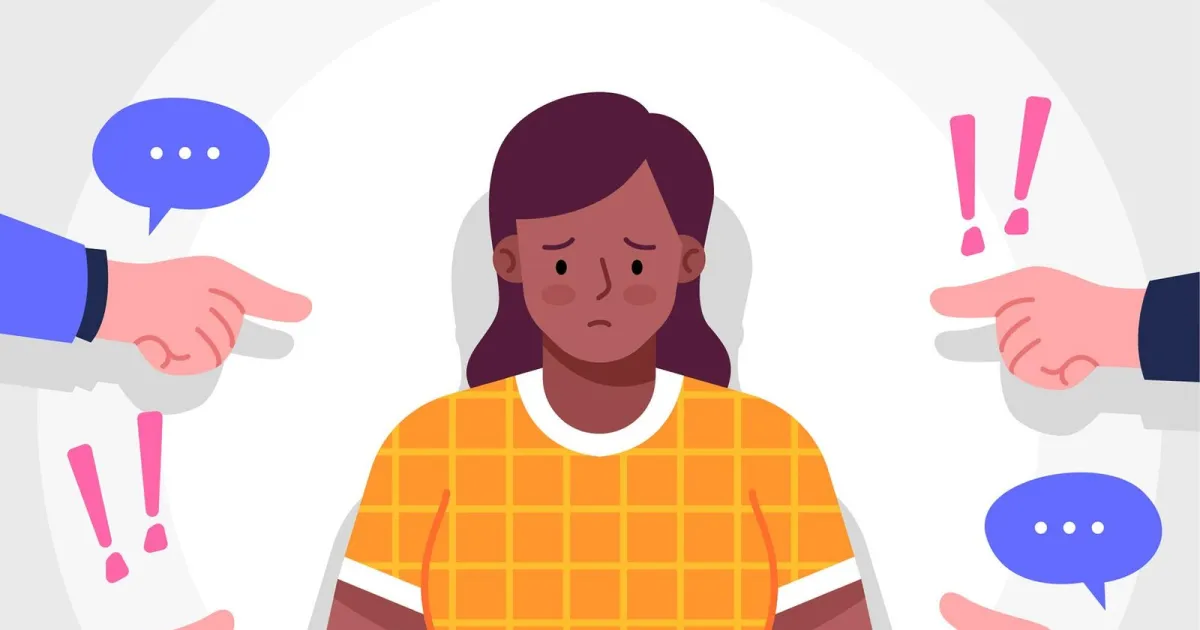
In our daily lives, we cannot escape dealing with criticism, whether at work, in personal relationships or on social media. This challenge affects our self-confidence unless we manage it well.
The question many people ask is: how do we deal with this criticism without it harming our self-confidence?
Handling criticism properly can have a major impact on how we see ourselves and on our ability to improve our lives. In this article, we will reveal the best approaches to handling criticism and how we can use it as a powerful tool for personal growth. At Al-Ruya Center for Coaching and Training of Dr. Naser Alfuraih in Kuwait, we aim to guide you toward the best ways of handling criticism in a way that strengthens your self-confidence.
 Types of criticism differ, and each type calls for a different way of handling it. It is important to know how to tell these types apart so you can respond to them properly.
Does Criticism Weaken the Personality?
Some may think that criticism, especially when negative, can greatly affect their personality and weaken it. But the truth is that criticism in itself is not the problem. The problem lies in how we interpret that criticism.Criticism Is Not a Threat to Personal Identity
If we consider criticism an attack on who we are, it will leave us with a sense of failure or weakness. But if we see criticism as feedback about our behavior or our performance only, it can be a wonderful tool for improving ourselves. Constructive criticism, in particular, is a tool that can be used to improve personal and practical skills. It is therefore important to separate the self from the criticism. Criticism concerns behavior, not identity.Why Does Criticism Sometimes Hurt, and Why Is It Hard to Accept?
It is natural to feel pain when we hear a negative comment about our work or actions. This pain is not strange; it is a normal psychological reaction. But why is criticism sometimes painful, and why do some people find it hard to accept?The Search for Social Acceptance
As humans we are always seeking social acceptance, and when we receive criticism we may feel rejected by others. This feeling of rejection causes deep psychological pain, especially when the criticism coincides with the high expectations we set for ourselves. In this context, criticism becomes a threat to the social acceptance we are trying to achieve.Low Self-Confidence and Fear of Failure
People with low self-confidence find it very hard to accept criticism. They may take any criticism directed at them as a personal attack on their identity, which leads to defensive reactions. Likewise, people who have a fear of failure see criticism as evidence of their incompetence or failure, which increases the psychological pain.Painful Past Experiences
If a person was subjected to hurtful criticism in the past, they may become more sensitive to criticism in the future. Earlier negative experiences can lead to an excessive fear of criticism, which strengthens a defensive rejection of it.Types of Criticism and How to Tell Them Apart
Types of criticism differ, and each type calls for a different way of handling it. It is important to know how to tell these types apart so you can respond to them properly.
Constructive Criticism
This type of criticism is the most useful. It aims to:- Improve performance or behavior
- Give precise and clear feedback
- Offer advice respectfully, without personal attack
- Thank the person for their feedback. Even if it is hard, handling constructive criticism with appreciation improves relationships and personal growth.
- Ask for clarification if the feedback is unclear. This helps you understand the points that need improvement.
Destructive Criticism
Destructive criticism is often negative or hurtful. It focuses on personal attack rather than objective critique. Its intent may be to insult or belittle the other person. How to handle destructive criticism:- Ignore negative comments as far as you can.
- If the criticism is hurtful, you can reply politely, for example: "I think this discussion could be more constructive at a later time."
- Do not take the words personally; destructive criticism often comes from the other person's own feelings.
Emotional Criticism
This type of criticism often comes from strong feelings. The person may be in an unstable psychological or emotional state, which leads them to give criticism that is not objective. How to handle emotional criticism:- Take time to think before replying.
- Try to understand the feelings behind the criticism rather than focusing only on the content of the criticism itself.
Smart Steps for Handling Criticism
1. Separate the Criticism from Your Personality
It is important to understand that criticism does not reflect who you are, but only your behavior or your performance in a particular situation. This understanding helps you handle criticism better without affecting your self-confidence.2. Take a Moment to Think Before Replying
Do not respond to criticism emotionally. Set aside some time to organize your thoughts and understand the content of the criticism before replying.3. Use Criticism as an Opportunity to Improve
Try to see criticism as an opportunity for growth. Think about how to apply the feedback to improve your skills or behavior.4. Remember That No One Is Perfect
Everyone makes mistakes, and no one is perfect. Criticism is part of the natural process of learning and development. Do not let criticism discourage you or stop you from moving forward.What Should You Do If Someone Criticizes You in Front of Others?
In this case, it is best to avoid reacting emotionally and handle the situation professionally. Instead of replying quickly, you can:- Thank the person for their remark.
- Set a later time to discuss the criticism privately if the subject is sensitive or the criticism is hurtful.
How Do You Strengthen Your Psychological Immunity to Criticism?
Here are some ways that can help you strengthen your psychological immunity:1. Build Self-Confidence
Acknowledge your daily achievements and celebrate them. These small celebrations help build your self-confidence, making criticism less impactful.2. Avoid Excessive Self-Criticism
Stay away from harsh self-criticism. Treat yourself kindly and see mistakes as opportunities to learn rather than as failures.3. Reach Out to a Mental Health Professional
If you feel that criticism affects you greatly, you can seek psychological counseling to deal with psychological challenges and to improve your psychological immunity. https://www.youtube.com/watch?v=7JxhnGNlu9U&t=368sWhen Should You Visit a Specialist?
If criticism affects you continuously and leaves you feeling:- Anxious or depressed
- Constantly tense in a way that affects your personal or professional life
- Unable to cope with constructive feedback